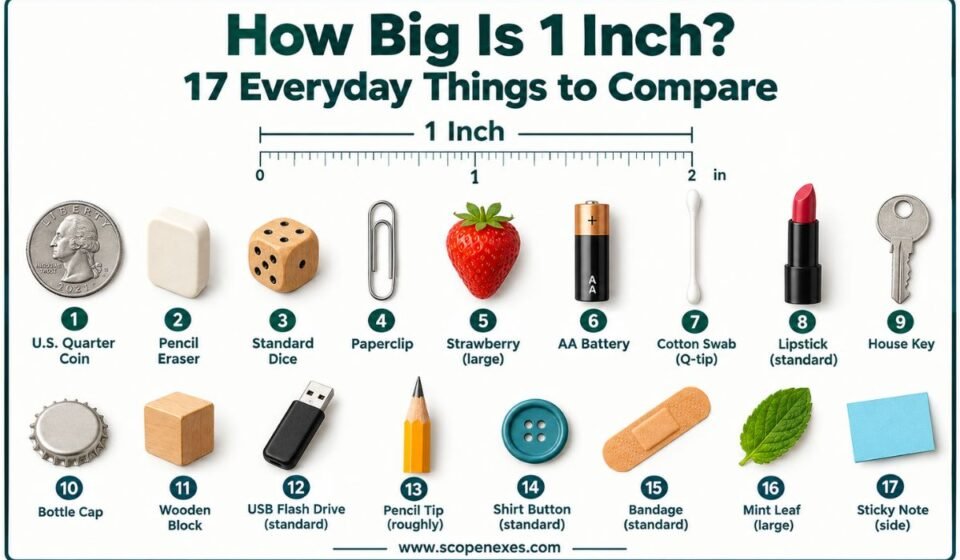

Grab a ruler and look at the first inch mark. That small gap holds more meaning than most people realize. If you’ve ever asked how big is 1 inch or tried to picture one inch without measuring tools nearby, you’re not alone.
This guide breaks down the exact size of one inch, shows you how it compares to other units, and lines up 17 everyday objects that measure close to one inch. By the end, you’ll have a mental ruler you can carry anywhere.
What Does 1 Inch Look Like?
One inch looks about as wide as an adult thumb measured from the knuckle to the tip. That single visual is the fastest way to answer what does 1 inch look like without touching a ruler. The inch has old roots. Long before standard rulers existed, people used body parts and grain kernels as reference points. Historians often note that early English measurements linked one inch to the width of three barleycorns placed end to end. That system eventually gave way to a fixed, exact measurement, but the thumb comparison stuck around because it works.
Today, the inch is a standard unit locked to a precise value. It equals exactly 2.54 centimeters, a number set by international agreement in 1959. Before that, slightly different versions of the inch existed in different countries, which caused small but real problems in engineering and trade. Locking the inch to one exact measurement solved that.
Picture a standard ruler. It usually runs 12 inches long, and each inch is broken into smaller inch fractions. Look closely at the inch marks and you’ll spot lines for a half inch, a quarter inch, eighths, and sixteenths. These fractions matter in woodworking, sewing, and any trade where a sixteenth of an inch off can ruin a project.
1 Inch in Different Measurements
Different tasks call for different units. Cooking, construction, science, and international shopping all use their own preferred systems, so knowing how one inch translates across formats saves you from guesswork.
| Unit | Value |
| Centimeters | 2.54 cm |
| Millimeters | 25.4 mm |
| Feet | 0.0833 feet |
| Meters | 0.0254 meters |
| Yards | 0.0278 yards |
1 Inch in Centimeters
One inch equals 2.54 cm exactly. This is not a rounded estimate. It’s the fixed international standard, so any inch to centimeter conversion you run will always land on this number. If you’re reading a European product label or following a metric recipe, multiply inches by 2.54 to get centimeters every time.
1 Inch in Millimeters
One inch equals 25.4 mm. This inch to millimeter conversion matters most in fields like machining, electronics, and hardware, where millimeter precision is standard. A drill bit or screw sized in millimeters can be matched to an inch measurement using this exact figure.
1 Inch in Feet
One inch equals 0.0833 feet, or one twelfth of a foot. Since a standard foot holds 12 inches, dividing any inch measurement by 12 gives you the foot equivalent. This inch to foot conversion comes up constantly in home improvement, flooring, and furniture measurements.
17 Everyday Things That Are About 1 Inch
Numbers only go so far. Real objects make an abstract inch measurement click instantly. Below are 17 common items that are about one inch in some dimension, whether that’s width, thickness, or length. These are everyday objects most Americans already have within reach.
| Object | Approximate Size | Common Location |
| Hockey puck | 1 inch thick | Sporting goods stores |
| Stack of pennies | About 6 to 7 pennies tall | Junk drawer |
| Wine cork | About 1 inch diameter | Kitchen or bar cart |
| U.S. dollar coin | Just over 1 inch diameter | Coin jar |
| Forever stamp | Close to 1 inch tall | Desk drawer |
| SD memory card | About 1 inch wide | Camera bag |
| Shooter marble | About 1 inch diameter | Toy bin |
| Wood screw | 1 inch long | Toolbox |
| Masking tape | 1 inch wide | Garage shelf |
| Binder ring | 1 inch diameter | Office supply drawer |
| Craft ribbon | 1 inch wide | Craft box |
| Index finger tip | About 1 inch wide | Your own hand |
| One month of hair growth | About 1 inch | Anywhere |
| Large grape | About 1 inch diameter | Refrigerator |
| Cocktail ice cube | About 1 inch cube | Freezer tray |
| Small padlock | About 1 inch wide | Gym locker |
| Wooden craft cube | Exactly 1 inch | Craft store |
1. Hockey Puck
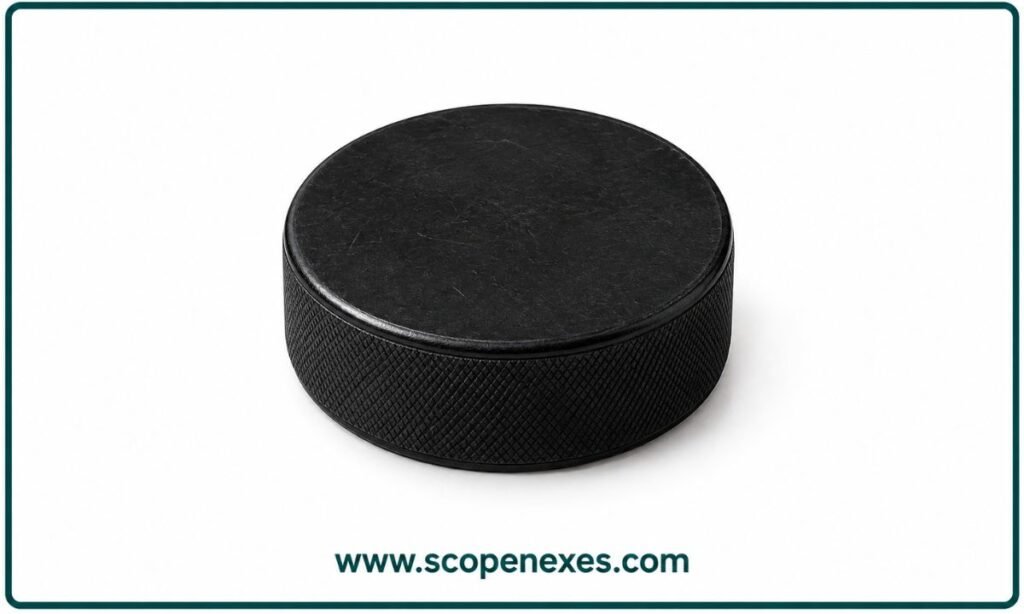
A regulation hockey puck is exactly 1 inch thick. That’s part of the official spec set by hockey’s governing bodies, so this one isn’t a rough guess. Hold a puck flat and you’re holding a precise, factory checked inch.
2. Stack of Pennies
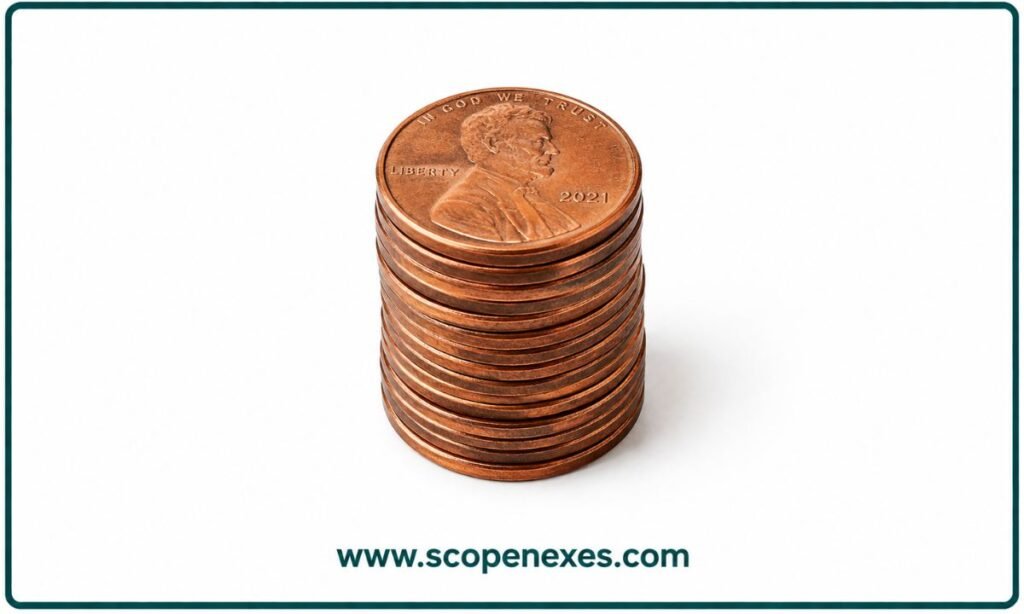
A single penny is roughly 1.5 millimeters thick, so stacking about six or seven pennies gets you close to one full inch. This trick works well because pennies are everywhere and their thickness barely varies.
3. Standard Wine Cork
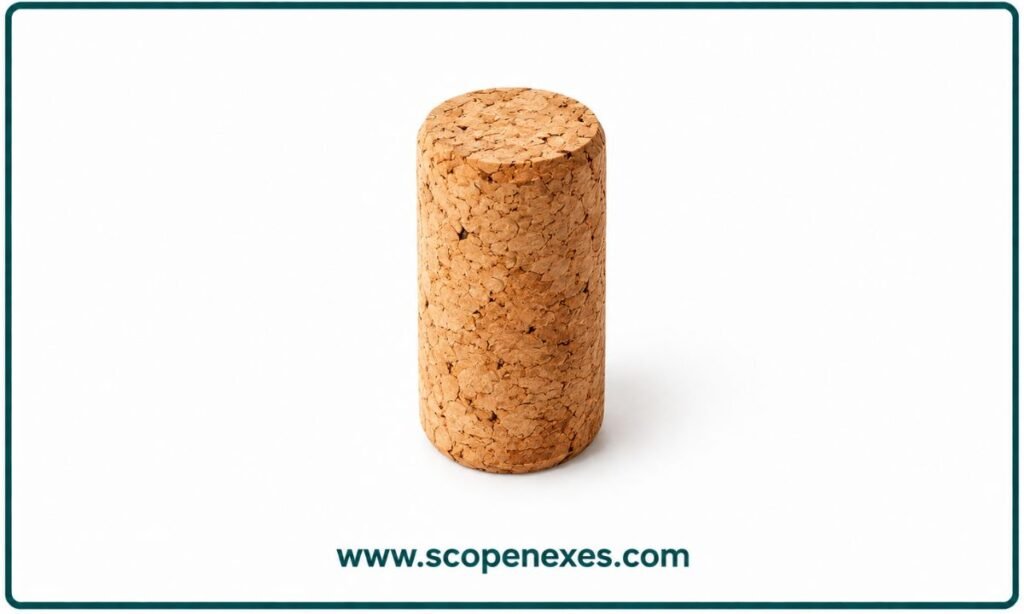
A standard wine cork runs close to 1 inch in diameter, though natural cork varies slightly bottle to bottle. Synthetic corks tend to be more consistent. Either way, a cork gives you a fast, hands on size reference sitting right in your recycling bin.
4. U.S. Dollar Coin
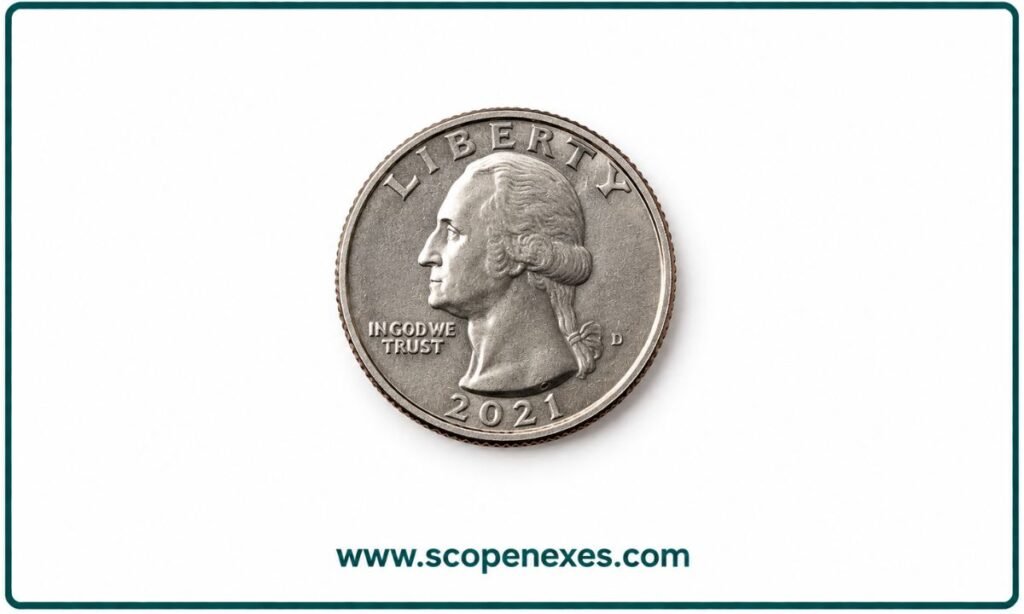
The U.S. dollar coin measures just over 1 inch across, slightly larger than a quarter. If you’ve got one in your pocket, you’re carrying a near perfect inch reference without even trying.
5. Forever Stamp
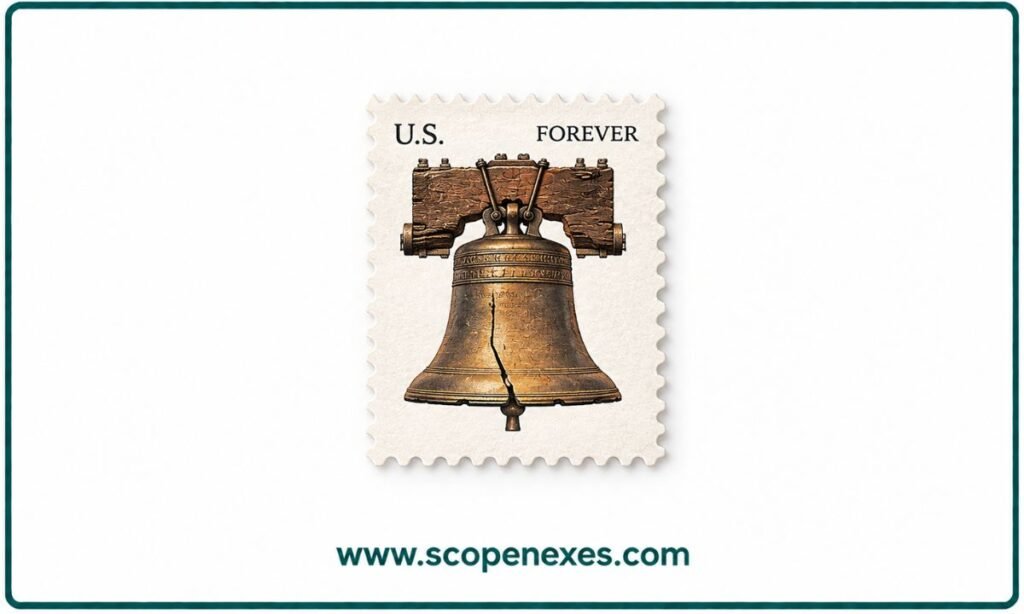
A Forever stamp measures close to 1 inch on its shorter side. Stamps are small, flat, and easy to compare against other objects, which makes them a handy backup reference when coins aren’t around.
6. SD Memory Card
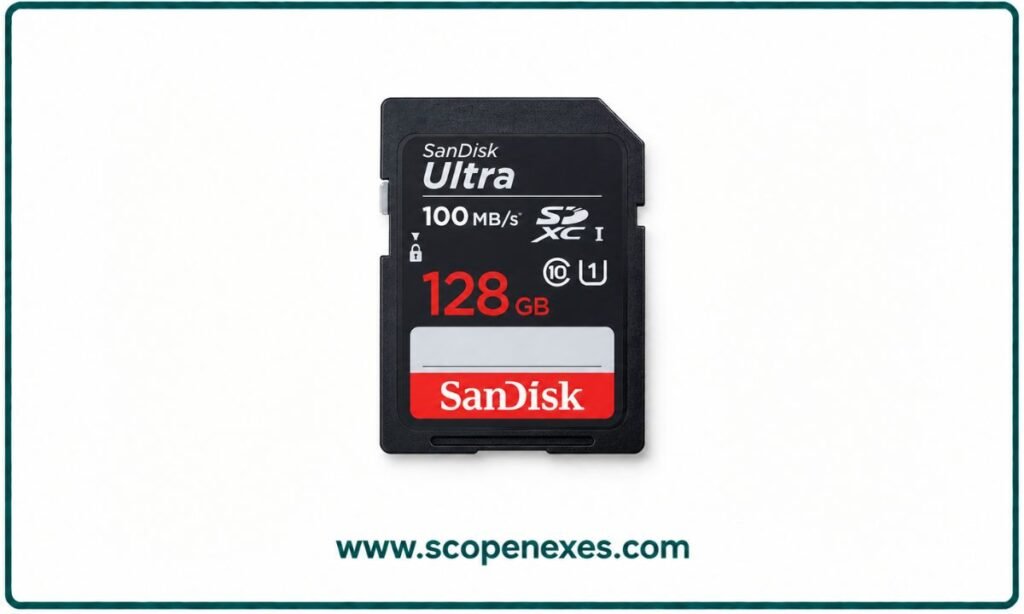
An SD memory card is about 1 inch wide, though its full length runs slightly longer. For anyone working with cameras or laptops, this gives a familiar tech object to size against.
7. Shooter Marble

A shooter marble, the larger marble used to start a game, measures around 1 inch in diameter. Regular playing marbles are smaller, so size matters here if you’re pulling one from an old jar.
8. 1 Inch Wood Screw
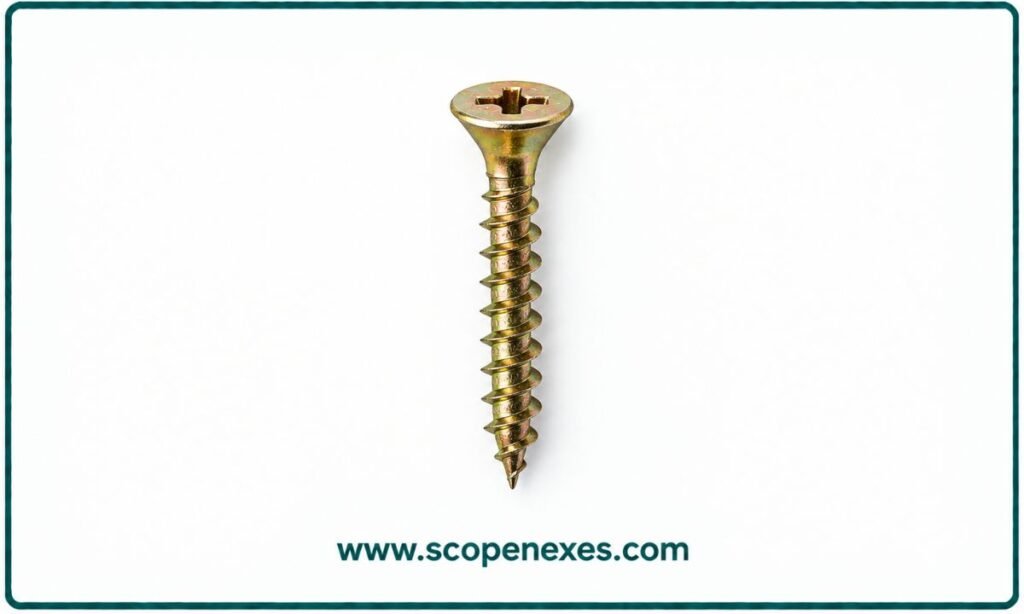
A 1 inch wood screw is measured by length, not width. Hardware stores label screws by their length in inches, so picking up a labeled 1 inch screw hands you an exact, factory measured inch instantly.
9. Width of Masking Tape
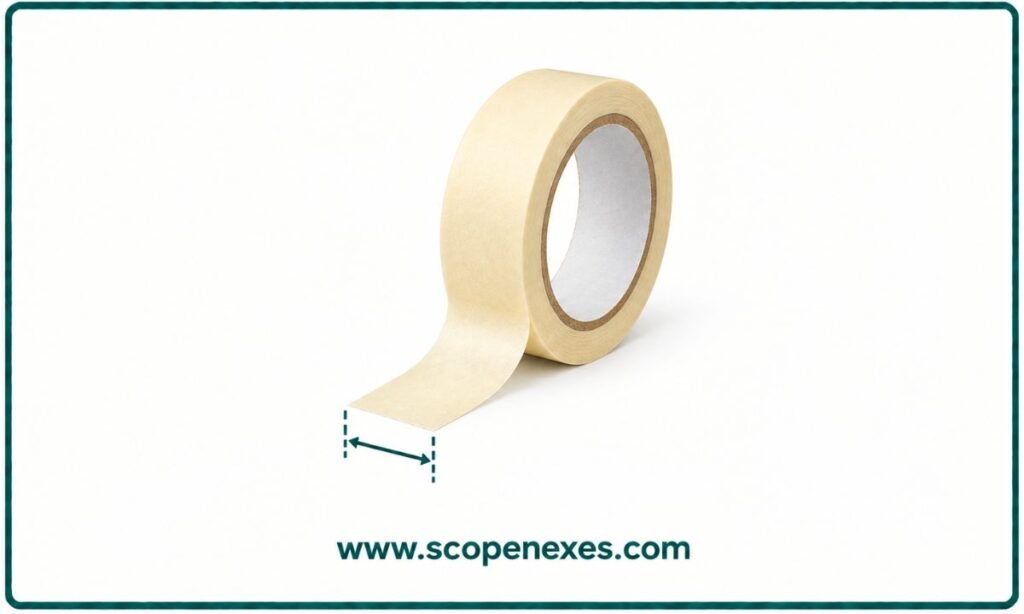
Standard masking tape rolls measure 1 inch wide. This is one of the most consistent household references because tape manufacturers stick closely to standard widths across brands.
10. 1 Inch Binder Ring
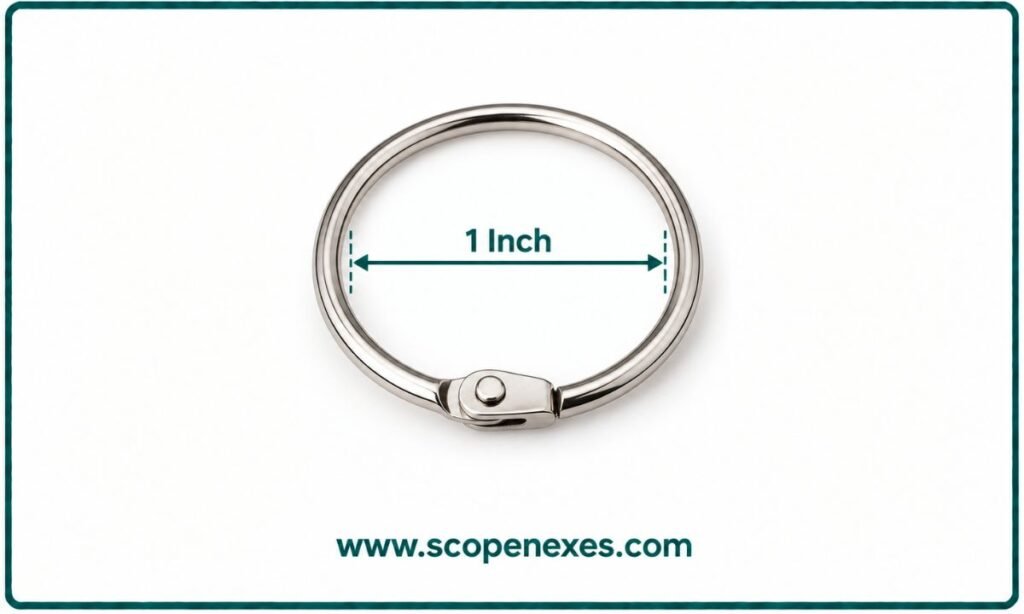
Binder rings are sold by their interior diameter, and a 1 inch binder ring is a common office size. Open one up and measure across the inside curve to see the inch mark in action.
11. Inch Wide Ribbon
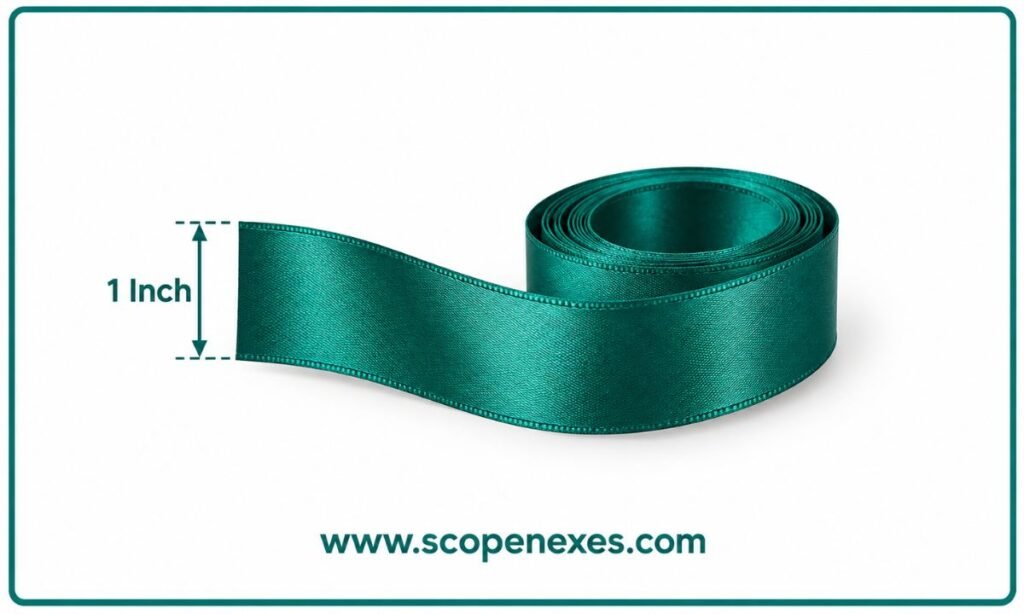
Craft and gift ribbon often comes labeled as 1 inch wide. Ribbon spools list their width right on the packaging, so this is another labeled, no guesswork inch reference sitting in most craft supply drawers.
12. Tip of Your Index Finger
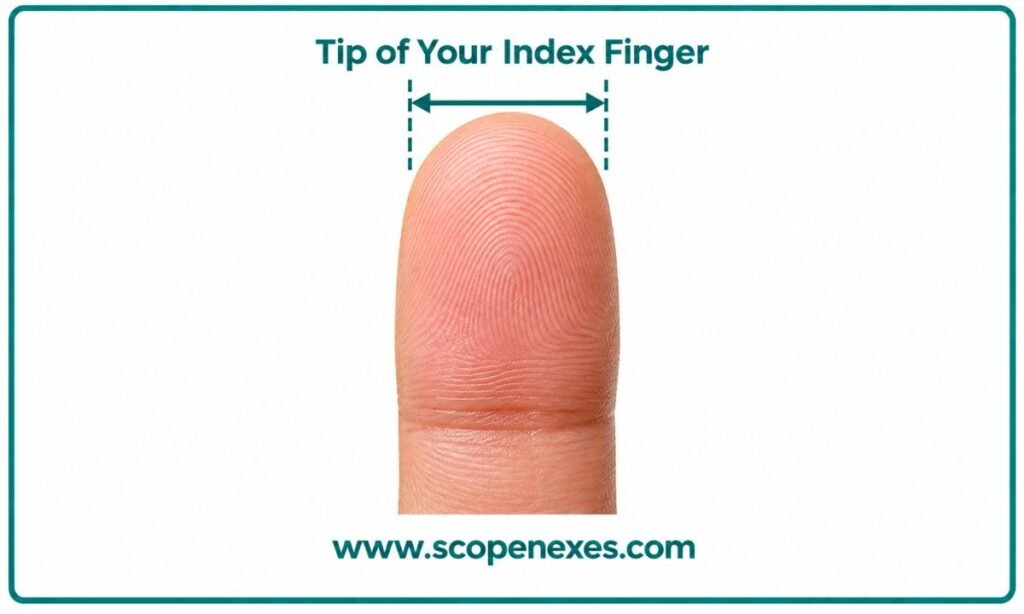
The width of an average adult index finger tip lands close to 1 inch. This built in reference means you’re carrying a rough measuring tool with you at all times, useful when you need a fast estimate.
13. 1 Inch of Hair
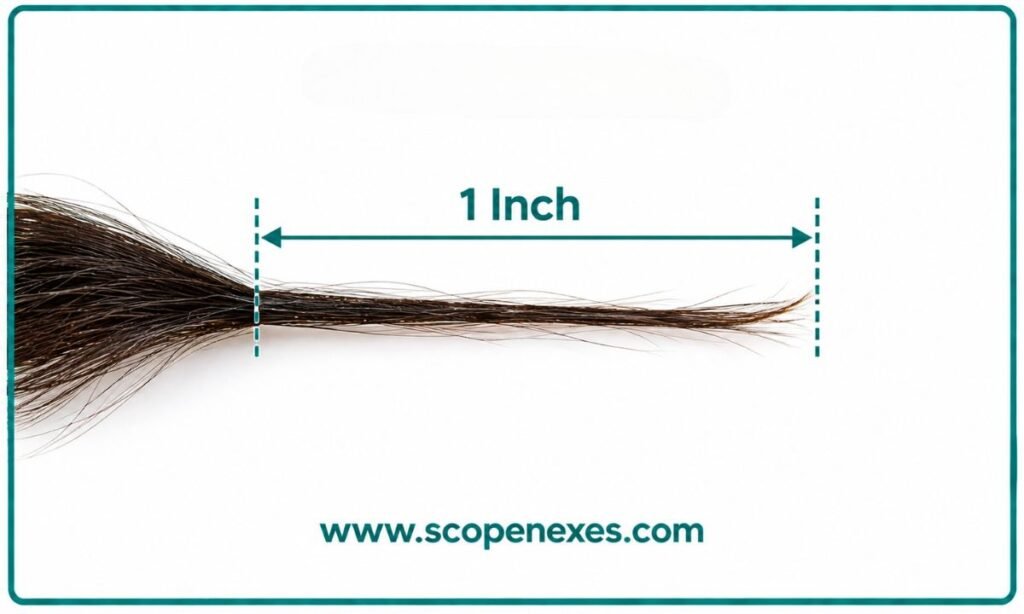
Hair grows about half an inch per month on average, so most people see roughly 1 inch of hair growth every two months. Hair stylists use this figure constantly when planning cuts and growth timelines.
14. A Plump Grape
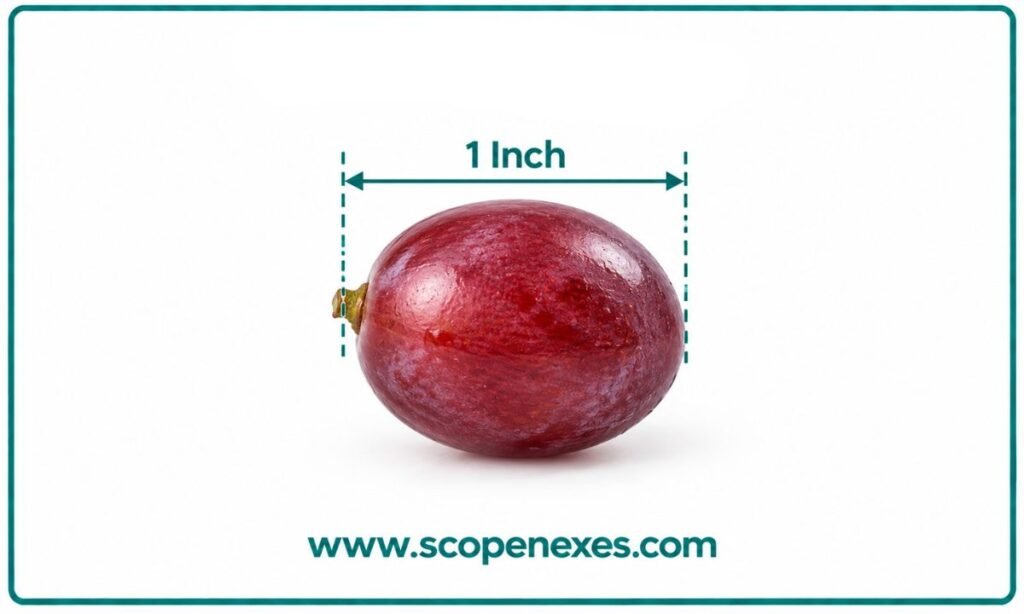
A large, plump grape measures close to 1 inch across. Grape sizes vary by variety, so this comparison works best with bigger table grapes rather than smaller varieties.
15. Cocktail Ice Cube
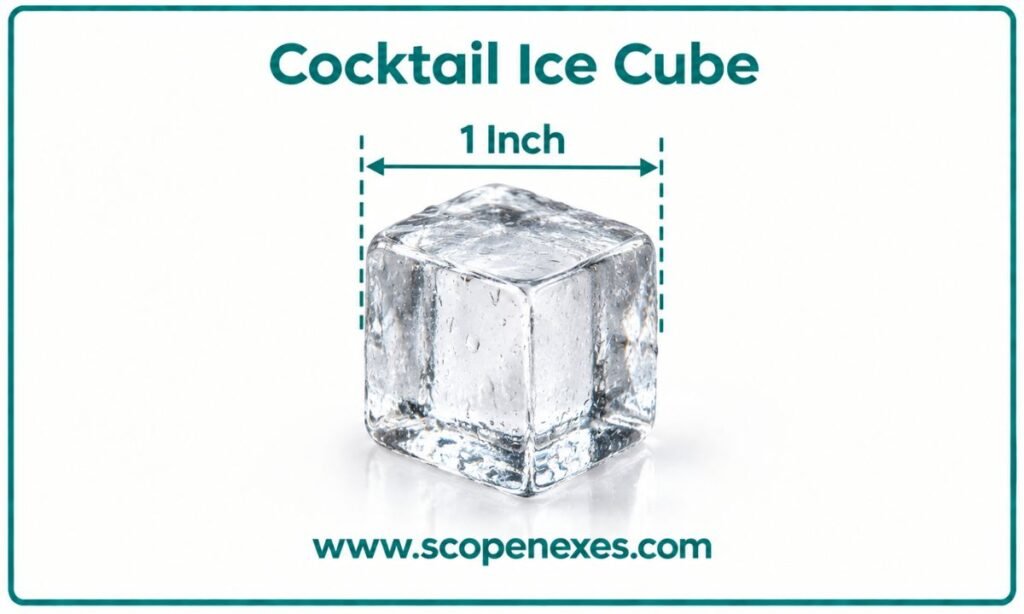
Bartenders often use cocktail ice cubes cut to roughly 1 inch cube dimensions. These larger cubes melt slower than standard tray cubes, which is part of why craft cocktail bars favor them.
16. Small Padlock
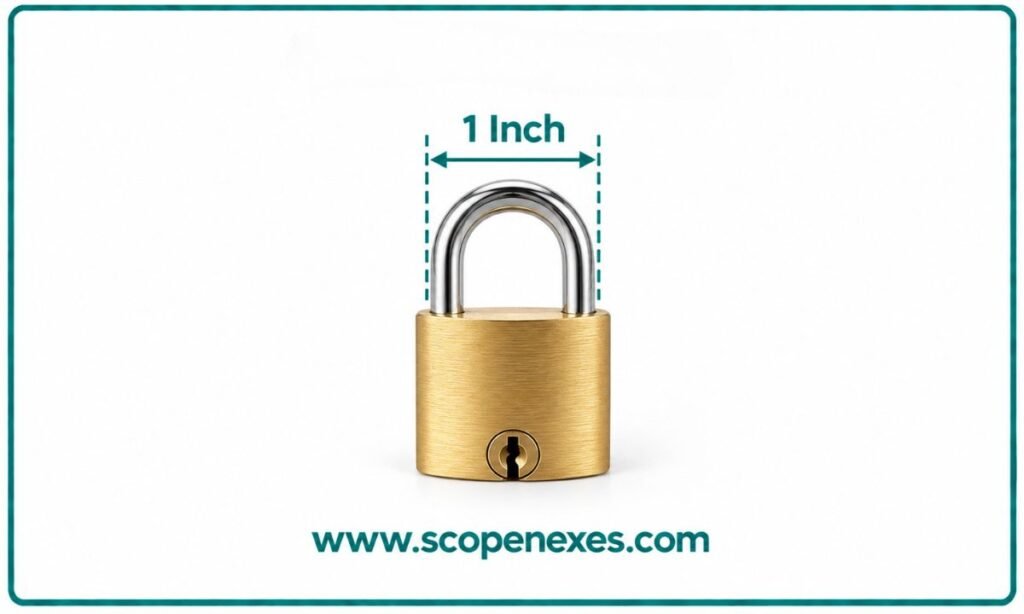
A small padlock, the kind used on gym lockers or gate latches, measures close to 1 inch wide at the body. Larger padlocks used for storage units run noticeably bigger.
17. 1 Inch Wooden Craft Cube
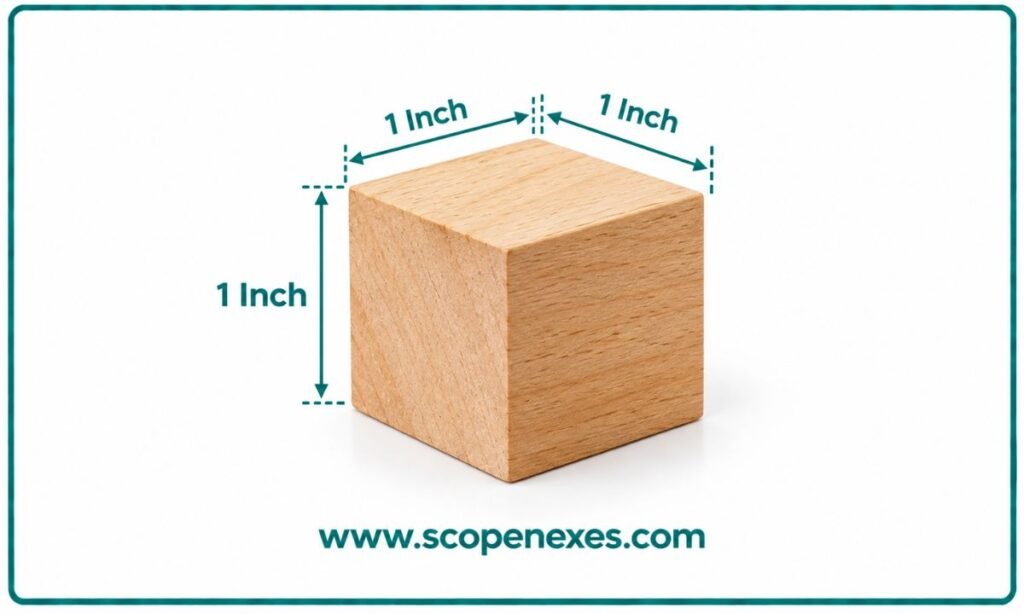
Craft stores sell wooden cubes pre cut to exactly 1 inch on every side. Because these are manufactured to spec rather than naturally variable, they double as a reliable, exact measurement tool for DIY projects.
Think an inch is easy? Wait till you see it in real life! Our guide to How Long Is 8 Inches puts the measurement into perspective with everyday objects.
How to Estimate 1 Inch Without a Ruler
Sometimes a ruler isn’t within reach. In those moments, body based references and common objects step in. Here’s how to estimate an inch quickly and reasonably well.
- Use the width of your thumb from the knuckle to the tip
- Use the width of your index finger tip
- Compare against a quarter or dollar coin in your pocket
- Fold a dollar bill and use known bill measurements as a guide
- Picture a wine cork or a stack of six pennies
These methods won’t replace an exact measurement, since hand sizes vary from person to person. But for quick, casual estimates, they get you close enough.
What Does 1 Inch Mean on a Screen?
On a screen, one inch refers to a physical measurement of the display itself, not a fixed number of pixels. Screen size specs, like a 27 inch monitor or a 6.7 inch phone, are measured diagonally, corner to corner across the visible screen.
Pixels complicate things because pixel density varies by device. This is where DPI, or dots per inch, comes in.
| Standard | Common Use |
| 72 DPI | Older web and screen graphics standard |
| 96 DPI | Common Windows display standard |
| 300 DPI | Standard for sharp print quality |
A physical inch on a low DPI screen holds fewer pixels than the same physical inch on a high DPI screen. That’s why a photo can look sharp on one phone and blurry on another even though both display it at the same physical size. Print work typically demands 300 DPI or higher because paper shows pixel gaps that screens can hide.
What Does 1 Inch of Rain Mean?
One inch of rain means that if rainfall didn’t drain, soak in, or evaporate, water would sit exactly 1 inch deep across a flat surface. Meteorologists measure this using rain gauges, simple cylinders that catch and measure falling rain.
The scale of one inch of rain is bigger than most people expect. Across one acre of land, one inch of rain adds up to roughly 27,000 gallons of water. That single fact helps explain why even modest sounding rain totals can lead to serious flooding.
| Rainfall Rate | Classification |
| Under 0.1 inch per hour | Light rain |
| 0.1 to 0.3 inch per hour | Moderate rain |
| Over 0.3 inch per hour | Heavy rain |
Getting one inch of rain over a full day is fairly common and usually manageable. Getting one inch of rain in under an hour is a different story entirely, and it’s often flagged as a flash flood risk by weather services.
1 Inch Compared With Other Common Measurements
Numbers alone can be hard to visualize. Comparing one inch directly against other familiar lengths helps the size sink in faster.
1 Inch vs. 1 Centimeter
One inch is about 2.5 times longer than one centimeter. If you picture a centimeter as roughly the width of a pinky fingernail, an inch covers a noticeably bigger stretch, closer to a full thumb width.
1 Inch vs. 2 Inches
Two inches is exactly double one inch. A golf ball, at about 1.68 inches across, sits between the two. Lining up two one inch objects side by side, like two stacked wine corks, shows this jump clearly.
1 Inch vs. 1 Foot
One foot holds exactly 12 inches. A standard ruler makes this easy to see, since it’s simply 12 of those one inch segments laid end to end. Picturing a foot as a full ruler and an inch as just one small section of it makes the size difference obvious.
FAQs
How big is 1 inch?
One inch equals 2.54 centimeters or 25.4 millimeters, making it slightly longer than the width of a large coin.
What does 1 inch look like?
One inch looks similar to a hockey puck’s thickness, a wine cork’s width, or the distance from an index fingertip.
How can I measure 1 inch without a ruler?
Use familiar objects such as a hockey puck, dollar coin, or inch-wide tape to estimate one inch accurately enough.
How many inches are in a foot?
There are 12 inches in one foot, so one inch represents exactly one-twelfth of a standard foot.
What everyday object is exactly 1 inch?
A regulation hockey puck is exactly 1 inch thick, making it one of the easiest physical references for this measurement.
Final Takeaway
Once you’ve locked in a few real world one inch objects, like a quarter, a wine cork, or your own fingertip, you’ll stop guessing and start estimating with confidence.
The inch shows up everywhere, from hardware stores to weather reports to your phone screen, and knowing its exact size in every format gives you a small but genuinely useful skill. No ruler required, just a good eye and a few trusted references you already carry with you.
Disclaimer: Everything you read on Scope Nexes is collected from trusted public sources. We do our best to provide correct and updated information, but please remember that measurements and dimensions can vary by product, brand, or model. If you spot something that needs an update or correction, kindly contact us at info@scopenexes.com. Your feedback helps us improve.